Sunday, 5 November 2090

SUPREME WEALTH ALLIANCE ULTIMATE


KNOW THE BUSINESS, KNOW THE TEAM, KNOW YOUR GOALS.
 WE WILL ACHIEVE IT.

THIS IS THE TEAM THAT PIONEERED IN TEAMWORK AND FULL SUPPORT!

MEANING TO SAY, YOU'RE NOT GOING TO DO THIS ALONE! YOU WILL WORK WITH A TEAM!

YOUR FAVORITE PAST TIME OR HOBBY WILL BE MADE AS A MONEY-MAKING TOOL!


ABOUT SUPREME WEALTH ALLIANCE  
What is with Supreme Wealth Alliance anyway?
SWA (Supreme Wealth Alliance) is a 100% ONLINE BUSINESS. It is still on its PIONEERING STAGE, and the product is KNOWLEDGE (e-books).
BECAUSE IT IS 100% ONLINE, YOU CAN LITERALLY MARKET TO ANYONE AROUND THE WORLD AS LONG AS THEY HAVE INTERNET!

ALL TRANSACTIONS ARE DONE ONLINE, WHICH MEANS ALL PROFITS CAN BE SENT TO YOU WHEREVER YOU ARE, 24/7!!!

100% TRUST RATING.!!

PANOORIN ANG VIDEO PARA MALAMAN KUNG PAANO KUMITA


SUPREME WEALTH ALLIANCE PRODUCT

The Supreme Wealth Library is a downloadable library with over a thousand resources and continuously growing. These resources include ebooks, videos, audios, scripts, graphics, templates, icons, fonts, and many more… most of which are very useful to marketers.


Picture

SUPREME WEALTH ALLIANCE LEGALITIES

Picture

Please feel free to send me an email or comment here if for details:

spaz_comingsoon@yahoo.com

s

payment methods

*We accept all payments done through these channels...


Monday, 18 March 2013

Are You Really Losing Money in SWA?

On my first blog post regarding the topic, I discussed the need for the payment as capital. Although we members of SWA would want to offer you the opportunity for free, we also need to ensure the continuity of the business. Hence, it must profit.

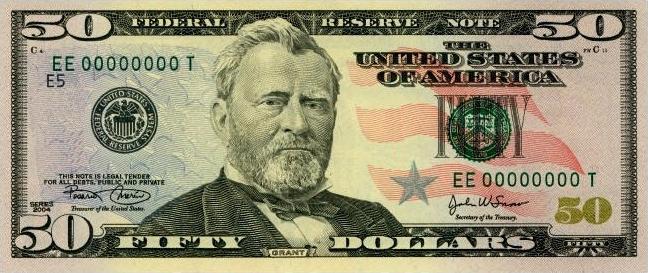
Now, I am reviewing the topic by asking you - "If you have USD 50.00 right now and decide to spend it on a wardrobe, will you lose your money?"


Think about it. You have USD 50 in your hand. You can keep it in your wallet for future needs. You can put it on a savings account. You can even use it to buy a few shares of your favorite stock, mutual fund, or trust fund.

But, because you want to be a trendsetter and join in the likes of Brad Pitt and Angelina Jolie, you decided that you want to buy a new set of clothes worth USD 50.


Question - "Did you lose your money?"

For now, let's say "YOU DID LOSE YOUR MONEY."

Why? Well, for one, gone is the money that you could have put in your wallet. Obviously, you cannot put the clothes in your wallet right? Gone is the money for your savings account. I don't think banks will accept clothes as deposits. More so clothes to buy some shares. Point is, the money is gone and all you have is that set of clothing.


Now, let's say "NO. I CERTAINLY DID NOT LOSE MY MONEY."


How can I say that? Well, for one, I was able to buy something worth the money. Hence, I didn't lose the money. I still have it in the form of this set of clothes. In that sense, I got my money's worth. Hence, it was not a loss for me, but a gain. So, I did not lose my money.


Do you get the point? The answer to the question is both a yes and a no. It depends on how you view things. Whether the glass is half-filled or half-empty.

"Yes" because the physical money is gone. You cannot put the Supreme Wealth Library in your wallet. You certainly cannot deposit it in your savings account.

"No" because you definitely got your money's worth. You were able to buy the Supreme Wealth Library which would have costed thousands of dollars if you bought each of them separately. But thanks to SWA, you got it for a bargain.


But, what is the most important thing about this analogy between the clothes and SWA?


If and when you sell the clothes that you got for the money that you've spent, you probably will not be able to do so at the original price of USD 50. Chances are, knowing that the clothes you are selling are second hand, people will only buy it from you at a discount. Hence, you are at a loss. In short, depreciation. Moreover, if and when you sell the clothes, you can no longer have the clothes. It's gone. It goes to the one who bought it from you.


But in SWA?

If and when you sell the Supreme Wealth Library, you will always have the Supreme Wealth Library. Your accesses will not be taken away from you. You certainly will not be charged again to regain that access. Moreover, you certainly will gain money or at least get your money back when you sell it. Depending on the hardwork and determination of you, your upline, and your referrals, you can earn your money back or more in no time.

Amazing isn't it?

Moral of the story, do not worry about losing your money in SWA. Just by having the Supreme Wealth Library, you already have your money's worth. What more if you were able to sell? (:

Your comments and questions are always welcome at spaz_comingsoon@yahoo.com

Sunday, 17 March 2013

Mawawalan ka nga ba talaga ng pera sa SWA? (Ang ikalawang pagmumuni-muni)

Sa una kong blog post tungkol sa risk sa SWA, ipinakita ko sa inyo ang kahalagahan ng pagbabayad ng PHP 2500. Una ito ang kapital ninyo, at pangalawa, ito ang pambili ninyo ng SUPREME WEALTH LIBRARY kung saan magagamit niyo ang mga e-resources kahit kailan.

Ngayon naman, para sagutin ang tanong na iyan, tatanungin ko muna kayo - "Kapag ginastos mo ang PHP1000 mo para sa isang damit, mawawala ba ang pera mo?"


Isipin mong mabuti, mayroon kang PHP 1000 ngayon sa kamay mo. Maraming kang pwedeng gawin dito. Una, pwede mo iwan lang sa wallet mo para gamitin kapag kailangan. Pwede rin ilagay sa savings account mo sa bangko. Kung kumiyansa ka sa market ngayon, pwede mo rin ipambili ng stocks, mutual funds o trust funds.

Pero dahil gusto mo maki-uso sa latest na suot nila Derek Ramsey o Anne Curtis, binili mo itong damit na nakita mo.


Tanong : Nawala ba ang pera mo?

Sa ngayon, sasagutin natin iyan ng isang malaking "OO. NAWALA ANG PERA MO."

Kitang-kita naman di ba? Wala na ang PHP1000 na pwede mo sanang ilagay sa wallet mo. Wala na ang PHP1000 na pwede mong ipunin sa savings account mo. Wala na ang PHP1000 na pwede mo sanang ipang-stocks. Ang PHP1000 na hawak mo ay naging damit na!


Ngayon naman, subukan natin sagutin ang tanong ng isang malaking "HINDI. HINDI NAWALA ANG PERA KO."


Bakit? Unang-una sa lahat, nakuha ko ang damit na gusto ko na naghahalagang PHP1000. Kahit pa man hindi ko na pwede gamitin ang damit na nabili ko at ilagay sa wallet ko, para sa akin, sulit pa rin ang PHP 1000 ko kaya hindi nawala. Hindi man pwede i-deposit ang damit sa isang savings account sa bangko, mayroon pa rin akong isang bagay na naghahalagang PHP1000, kaya walang nawala sa akin.

Nakukuha niyo na ba ang pinatutunguhan ko? Ang sagot sa katanungan na "Mawawala ba ang pera ko sa SWA" ay parehong oo at hindi.

"Oo" dahil ang pera mo ay magiging Supreme Wealth Library na, o ang produkto na binebenta ng SWA. Hindi mo ito pwede ilagay sa wallet mo. Hindi mo ito pwede i-deposit sa savings account mo.

"Hindi" dahil nakuha mo ang katumbas ng pera mo. Nakuha mo ang Supreme Wealth Library. Isang bagay na nagkakahalaga ng libo-libong dolyar kung isa-isa mong bibilihin, pero dahil sa SWA, nabili mo sa isang bagsakan na PHP2,500.


Pero ano ang pagkakaiba ng analohiya ko sa damit ag SWA?

Kapag ang damit ang binenta mo, wala na sa iyo ang damit. Naging pera na siya uli. Dagdag pa rito, kung nagamit mo na ang damit na nabili mo, malamang hindi mo na ito maibebenta sa halagang PHP1000. Wala nang bibili sa iyo. Bibili na lang sa iyo ang mga tao kapag binenta mo siya nang mas mababa sa PHP1000. Depreciation ang tawag dyan. Ikaw ang lugi.


Pero sa SWA?

Kapag naibenta mo ang Supreme Wealth Library, hindi ito mawawala sa iyo. Nasa iyo pa rin ang access mo sa Supreme Wealth Library. Bukod pa rito, kumita ka pa at depende sa galing mo, ng upline mo, at referrals mo, makukuha mo ang PHP2,500 o higit pa sa pinangbili mo.

Ayos di ba?

Kaya 'wag ka matakot kung iniisip mo na mawawalan ka ng pera sa SWA. Sa Supreme Wealth Library pa lang, bawing-bawi ka na sa ginastos mo. Eh paano pa kapag naka-benta ka? (:

Ang inyong mga katanungan ay maaaring ipadala sa spaz_comingsoon@yahoo.com

Thursday, 1 November 2012

Ano ba ang isang IMBESTOR?


Kung bibigyan kita ng ilang segundo upang isa-isip ang isang CAPITALISTA o IMBESTOR, ano ang mga unang papasok sa isip mo?

Isang mayamang taong naka-kurbata at nagtatrabaho sa Makati?

Stocks?

Negosyante?

Mangangalakal?

Iyang mga nabanggit ko sa itaas ang mga bagay na siguro’y unang papasok sa isip mo. Malamang-lamang, ang isang IMBESTOR ay isang tao na naglalagay ng kapital, pera o anumang bagay, sa isang lugar, sa pagnanais na ang halaga nito ay rarami or lalaki.
Sabi sa Wikipedia, ang isang IMBESTOR taong nagsasantabi ng kapital, sa paniniwala na ito ay kikita o lalaki ang halaga.


Kung gayon, maaaring sabihin na ang isang IMBESTOR ay isang taong bumibili o nagbebenta ng kahit anong bagay. Ibig sabihin, kung bumibili o nagbebenta ka ng pagkain, sapatos, gasolina, damit, stocks, condominium, apartment, etc, isa kang IMBESTOR. Bakit ko nasabi iyon? Umiikot ito sa aking paniniwala na kahit papaano, may nakukuha ang isang tao pabalik, kapag siya ay gumastos o magbenta ng mga nabanggit ko. Halimbawa, kung gumastos ako ng PHP 2,500.00 para bumili ng sapatos, napapansin ko man o hindi, mayroon akong nakukuha pabalik. Nakukuha ko ang ginhawa na hindi ko na kailangan maglakad ng nakayapak; nakukuha ko ang aliw na maganda ang porma o hitsura ko dahil sa bagong sapatos; nakukuha o ang kasiyahan na protektado na aking mga paa, at iba pa. Bagaman hindi nasusukat ng pera itong mga nakuha ko pabalik, naniniwala akong maituturing pa rin itong mga ito bilang pakinabang. Tinatawag na “Economic Gain” ang pakinabang na ito ng mga economista.

Kung gayon, ang IMBESTOR ay ikaw.


Ganunpaman, bakit hindi natin ito naiisip? Bakit kapag tinanong natin ang ating mga sarili kung ano ang isang IMBESTOR, hindi natin nababanggit ang ating mga sarili? Madali lang ang sagot diyan. Sa maniwala ka o sa hindi, karamihan ng ating pinaglalagyan ng ating pera ay ang mga bagay na hindi talaga nagpapalaki ng halaga o nagpaparami ng ating kapital. Halimbawa, kung bibili ka ng isang kotse sa halagang PHP 1 Milyon, kapag binenta mo ito, hinding-hindi mo ito mabebenta sa halagang higit pa sa PHP 1 Milyon (maliban na lang kung napakagaling mong magbenta o mambola). Bakit? Dahil sa konsepto ng DEPRECIATION o pagbaba ng halaga.

Bakit bumababa ang halaga ng isang bagay? Maraming dahilan. Maaaring dahil nagluluma ito o posible rin dahil nag-iiba na ang pagtingin ng mamimili rito. Ganunpaman, ang punto ko ay mahilig tayong bumili ng mga bagay na nagdedepreciate.


Kaya naman ginawa ko itong blog. Sisikapin kong magbigay ng mga bagay na maaari niyong paglagyan ng inyong mga kapital at pondo, upang talagang palakihin ito at hindi lamang umasa sa Economic Gain na mabibigay nito. Ito ang mga bagay na nag-AAPRECIATE.
Bilang patapos, ipinaaalala ko lang sa inyo na kayo ang IMBESTOR. Hindi niyo na kailangan maging IMBESTOR. Ngayon pa lang, IMBESTOR na kayo. Ang tanging mahalaga lamang ay kung magiging WAIS na IMBESTOR kayo.

How do I define an INVESTOR?


If I give you a couple of seconds to picture an INVESTOR, what would it be?

Rich guy in a nice suit?

Stocks?

Businessman?

Short -selling?

Capitalist?


Those few words that I mention above will probably come to your mind every time you think about what an investor is. Most probably, the investor is the person who puts his money somewhere, hoping that it will grow. Right?

Our dear friend, wikipedia, defines an investor as “someone who allocates capital with the expectation of a financial return. “ In short, an investor is someone who expects an additional value for the capital he or she allocated.


That be said, then I guess an investor is anyone who buys or sells anything. When I say anything, it can be food, shoes, gasoline, water, car, stocks, houses, condominiums, etc. How come? It all revolves around the concept of gaining something in return. For instance, if you buy a pair of shoes, in exchange for the PHP 2,500 or so money you used to buy it, consciously or unconsciously, you are giving yourself the added value or the gain, that you do not need to walk barefoot; that you will feel good about yourself because you are wearing something nice; that you have the satisfaction of being able to attend gatherings with the appropriate shoes, etc. That feeling of satisfaction or getting your money’s worth, etc is what we call an economic gain.

Hence, an investor is someone like you.


Now, how come we don’t notice it everyday? The answer is simple. Because in as much as we gain or lose something everytime we invest or allocate our capital in the form of food, clothing, shelter, etc, most probably, we will not be able to get the capital we allocated for it. For instance, if you buy a car for PHP 1 Million, chances are, you cannot resell it greater than the PHP 1 Million. Hence, the things we invest or put our money in are things that DEPRECIATE or lose value everytime someone buys or sells it.
And that is why am creating this blog. I will share to you things that APPRECIATE or gain value everytime you buy or sell them.

Lastly, I am here to remind you that the INVESTOR is you, You no longer need to be one. You just need to be a STREET SMART one.

Wednesday, 31 October 2012

Passive Income vs Active Income (Tagalog)


Para sa maraming ekonomista, ang income or suweldo ay ang pagpasok ng kapital o pera. Kung nakakatanggap ka ng pera sa iyong mga magulang, tiyuhin or lola, ikaw ay may suweldo. Kung ikaw ay sumasahod sa iyong trabaho, malamang ikaw ay may income. Kahit sa simpleng interest na kinikita ng pera mo sa bangko, ikaw pa rin ay may income.

Kaya naman maliit man o malaki, karamihan sa atin ay may income. Ganunpaman, mahalaga rin maintindihan kung ano ba ang pagkakaiba ng passive income sa active income.
Simulan muna natin sa active income.


Kumikita tayo ng active income kapag tayo ay may ginagawa o active. Halimbawa, ito ang ating kinikita kapag tayo ay nagtatrabaho, kapag tayo ay nakakabenta, at iba pa. Kaya naman masasabi na ang active income ay naka-base sa kung gaano tayo nagtatrabaho. Kung patuloy tayo magtatrabaho, patuloy tayo kikita ng active income. Kung titigil tayo sa pagtrabaho, titigil din ang ating active income. Naniniwala ako na marami sa atin ang may ganito, ngunit, mayroon din ba tayong passive income?


Kagaya ng nabanggit noong una, ang ikalawang klase ng income ay tinatawag na passive income. Sa maniwala kayo o sa hindi, ito ang income na kinikita natin kahit pa man wala tayong ginagawa. Halimbawa, kung ikaw ay isang tanyag na negosyante o tagapangasiwa, kahit tulog ka, kumikita ka pa rin. Tingnan mo ang kuwento ni Henry Sy. Hindi mo naman siya nakikita nagbebenta ng damit sa SM department store o tumatanggap ng mga deposit mo sa BDO. Datapwat, kumikita siya ng bilyones sa mga kumpanyang SM at BDO. Isa pang halimbawa ang mga taong bumili ng lupa 20 taon na ang nakakaraan. Alam mo ba na kapag binenta nila ang kanilang lupain ngayon, maaari silang kumita ng 5-10 beses na higit pa sa presyo noong binili nila ung lupa. Tumaas ang halaga ng lupa kahit pa man hindi nila inalagaan talaga ang lupa. Ang iba pa nga eh hindi na nga binisita ang mga lupain pagtapos bilhin. Ganunpaman, kumita pa rin sila ng passive income.
Bilang pagtatapos, para tunay na maging malaya sa aspetong pinansiyal, iiwan ko ang tanong – Talaga bang Passive Income laban sa Active income? Parang Pacquiao laban kay Bradley?


Sa totoo lang, nainiwala ako na dapat magkaroon ng pareho. Panatilihin ang active income dahil dito niyo kukunin ang inyong mga kapital para sa passive income. Subukan na kumita ng passive income habang maaga pa, dahil sa hinaharap, baka mawala na ang sigla at lakas na kumita ng active income.
Sa mga susunod kong mga blog, ipapakita ko ang mga paraan para kumita ng passive income.


- Ang Street Smart Investor (ang ilang mga punto ay hango sa aklat na “Investing in Stocks” na isinulat ni Louis De los Angeles)


Gusto mo pa matuto? Click mo ito. 

Passive Income vs Active Income


Various economists view income as an inflow of capital or money. Hence, if you have been receiving money as an allowance from your parents, uncles, or grandparents, then you have income. If you have been earning a monthly salary, then of course, you have income. Moreover, if you have been receiving money to your bank accounts in the form of interest, then you have income.


As you can see, little or great, most of us have income. However, one of the most important things to understand is the difference between passive income and active income.
Let’s start first with Active Income.

Active income is basically the income we get when we are active. This is the form of income we receive everytime we work as an employee of a company, every time we sell a product, et cetera. Hence, the income we receive is based on our being “active” or “doing something”. In short, the income will keep on coming, as long as we keep on working. The income will stop if we stop working. A lot of us have this type of income. However, the question is do we also have the next type of income.


The second type of income is Passive Income. 

Passive income is the type of income we get even though we are passive or not doing something. For instance, if you are already an established businessman or entrepreneur, even though you are sleeping, you are still earning. Take for example Henry Sy. Obviously, you don’t see him selling clothes at the SM Department Store, or getting your deposits at Banco De Oro. However, even though he doesn’t work, he gets billions of pesos from his businesses like BDO and SM. Another small example are people who bought lands. Did you know that people who bought lands 20 years ago, can now sell those lands for a price 5-10 times as much as they bought it? These people never nurtured this lands. These people probably didn’t even bother visiting these lands after they bought it. However, the price of these lands appreciated in time.


To conclude these short essay, I will leave a question – Is it really Passive Income vs Active Income? Kinda like Pacquiao vs Bradley? Or can we have both passive and active income?
Honestly, I believe that in order to be really financially free, one must have both. Keep your jobs and your work because it is where you will be getting your capital for your passive income. Try to achieve passive income earlier on because someday, you might not have the enough strength to work as you have before.


On my later posts, I will share ways on how to earn passive income.
- The Street Smart Investor ( some points from this essay was taken from “Investing in Stocks” by Louis de los Angeles)

Learn more. Learn about SWA.